Online Job at Home – Part-Time Jobs – Best Online Jobs from Home
Online Job at Home – Part-Time Jobs – Best Online Jobs from Home
Want work that fits your life instead of forcing life to fit work? You are not alone. More people are picking online jobs at home because they want flexible hours, less commute, and a chance to earn without sacrificing family time or studies. This guide is written like I’m talking to a friend: no fluff, just clear options, how to start, and how to avoid mistakes. Let’s get into it.
Why pick an online job at home?

Think about what you want from work. More time with family? Extra cash? A way to try a new career with low risk? Online part-time jobs can offer all of that. They let you control when you work and often where. You can fit shifts around classes, childcare, or a day job. And if you play it smart, a part-time role can become a reliable income stream.
Real benefits you’ll actually notice
– No commute, which saves time and money.
– More control over your schedule.
– A wider job pool because location does not limit you.
– A low-risk way to try new work and build skills.
– A path to scale from side gig to main income if you want.
Best types of online jobs from home for part-time work
There’s no single best job for everyone. The “best” one is the one that matches your skills, energy, and schedule. Here are practical choices that many people use to earn from home.
Virtual assistant
What you do: Handle email, calendars, booking, basic customer messages, and small admin projects.
Why it’s good: Tasks often come in chunks you can schedule. You can support several clients and grow your hourly pay as you learn tools like Google Workspace, Trello, or Calendly.
Freelance writing and editing
What you do: Write blog posts, product descriptions, email copy, and social captions, or edit other people’s words.
Why it’s good: Demand never dies for clear writing. Start with a simple portfolio and pitch to small businesses or content platforms. Niches like finance, health, or tech usually pay better.
Online tutoring and teaching

What you do: One-on-one lessons or small classes in maths, languages, test prep, or skills like coding or music.
Why it’s good: Parents and adult learners pay for real help. Evening slots are common, which fit maths and fit around daytime commitments.
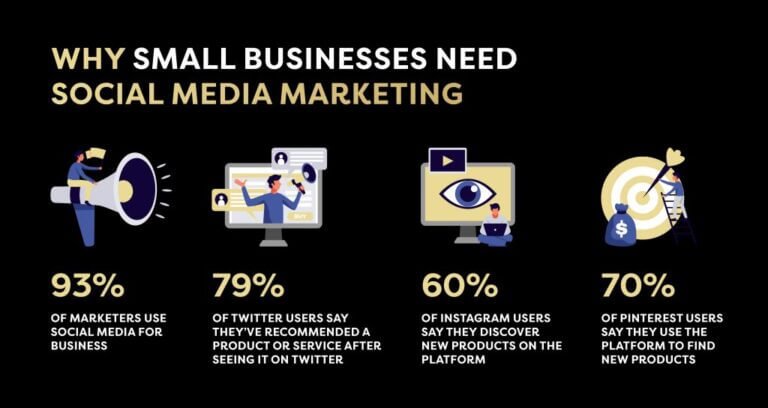
Social media management
What you do: Plan posts, write captions, respond to comments, and track basic results for small brands.
Why it’s good: Many businesses need help but can’t hire a full-time person. Start with one client and grow as you show results.
Remote customer support
What you do: Answer chats, emails, or calls to help customers with issues or orders.
Why it’s good: Shifts can be short and consistent. Training is common, so you do not always need prior experience.
Transcription and data entry
What you do: Convert audio to text or enter and clean data in spreadsheets.
Why it’s good: Simple to start and easy to break into small time blocks. Accuracy and speed pay off.
Graphic design and video editing
What you do: create social graphics, thumbnails, and logos or edit short videos.
Why it’s good: Visual skills are in demand, and rates tend to be higher than entry-level admin work. A portfolio helps you land better clients.
Microtasks and gig work
What you do: Short tasks like testing websites, answering surveys, or small categorised jobs.
Why it’s good: Extremely flexible and instant, though not usually high paying. Great for filling odd hours.
How to choose the best online job for you

Start by asking honest questions: How many hours can I commit? Do I want fixed shifts or flexible tasks? Am I social and talkative, or do I prefer quiet, focused work? Match answers to the job types above. If you want steady pay and structure, go for remote customer support or VA work. If you want flexibility and higher long-term pay, choose writing, design, or freelancing.
Steps to land a part-time online job
Step 1: Pick one or two roles
Focus helps. Choose a main role and a backup so you don’t scatter effort.
Step 2 – Build a basic profile and small portfolio
You don’t need a fancy website. A short bio, a clear headline like “Part-time virtual assistant – mornings”, and two or three samples are enough to start.
Step 3 – Use the right platforms
General freelancing: Upwork, Fiverr, Freelancer.
Remote jobs: LinkedIn, Indeed, and remote-focused boards.
Tutoring: Dedicated tutoring platforms or social media groups.
H3: Step 4 – Send targeted applications
Personalise your pitch. Say the job title and one thing you bring, and link a sample. Short beats long every time.
Step 5 – Be consistent
Treat job searching like a project. Aim for a set number of targeted applications each week and track responses.
Tools that make working from home easier
You don’t need pro gear. Start with:
– A reliable computer and internet.
– A headset or decent microphone for calls.
– Zoom or Google Meet for video chats.
– Basic organising tools such as Trello, Notion, or Google Calendar.
– Google Drive or Dropbox for file sharing.
Good communication and punctuality often matter more than expensive equipment.
How to spot and avoid scams
Remote work has scams. Guard yourself with a few rules:
– Never pay to get a job or to access a job board.
– Be wary of offers that promise massive pay for very little work.
– Don’t hand over personal details before a contract is in place.
– Check the company’s online presence and reviews.
If something feels off, walk away and do a quick search for “company name + scam” before committing.
Growing a small part-time gig into steady income
Do great work and ask happy clients for referrals or testimonials. Automate repetitive tasks with templates. Add skills that increase your value, like basic SEO for writers or a design tool for marketers. Gradually raise rates once you have a track record. Often, income grows more from repeat clients and referrals than constantly hunting new gigs.
Balancing home life and part-time online work
Set clear work hours and tell household members about them. Keep a dedicated workspace, even a small corner. Use short, focused sessions with breaks.
Schedule time off so work doesn’t creep into every hour. The point of part-time online work is flexibility, but it works best when you protect your boundaries.
Quick starter checklist you can use this week
– Pick one role to focus on.
– Update or create a short profile with a clear headline.
– Make two quick work samples.
– Apply to five targeted jobs.
– Set your hourly rate or project price.
– Block out work hours on your calendar.
Follow that for a week or two and you’ll see movement.
Final note
Finding an online job at home that actually fits your life takes a mix of strategy and patience. Start small, focus on real skills, and treat it like real work. If you want, tell me in one message what skills you have and how many hours you can work per week. I’ll suggest three specific job types and give you a short pitch you can use to apply.
FAQs
Q: What are the easiest part-time online jobs to start?
A: Virtual assistant roles, basic customer support, transcription, and microtasks are among the easiest. They require solid computer skills and reliability more than fancy credentials.
Q: Can I make a living from part-time online jobs?
A: Yes, many people combine part-time gigs and freelance work to reach full-time income. It usually takes time, steady clients, and raising your rates as you gain experience.
Q: How do I set rates?
A: Check what others charge on job boards for similar experience. Start at a fair rate for your level, then increase after good feedback and results.
Q: Do I need certificates?
A: Not always. For roles like tutoring or specialised tech work, certifications help. For writing, social media, or VA work, a strong portfolio and reliable delivery matter more.
Q: Are surveys and microtasks worth it?
A: They are fine for a little extra cash but rarely replace steady income. Use them as a bridge while you build higher-paying skills.
Q: How do I know if a remote job is a scam?
A: Red flags include being asked to pay upfront, extreme pay promises, no verifiable online presence, and pressure to act fast. Research and trust your instincts.
Q: What gear do I need to start?
A: A reliable computer, stable internet, and a quiet space. A decent headset helps for calls. Specific jobs may need additional software.
Q: How many hours should I aim for?
A: It depends on your goals. Five to ten hours a week can bring useful side income. For near full-time results, aim for 20 or more hours. Consistency beats intensity.